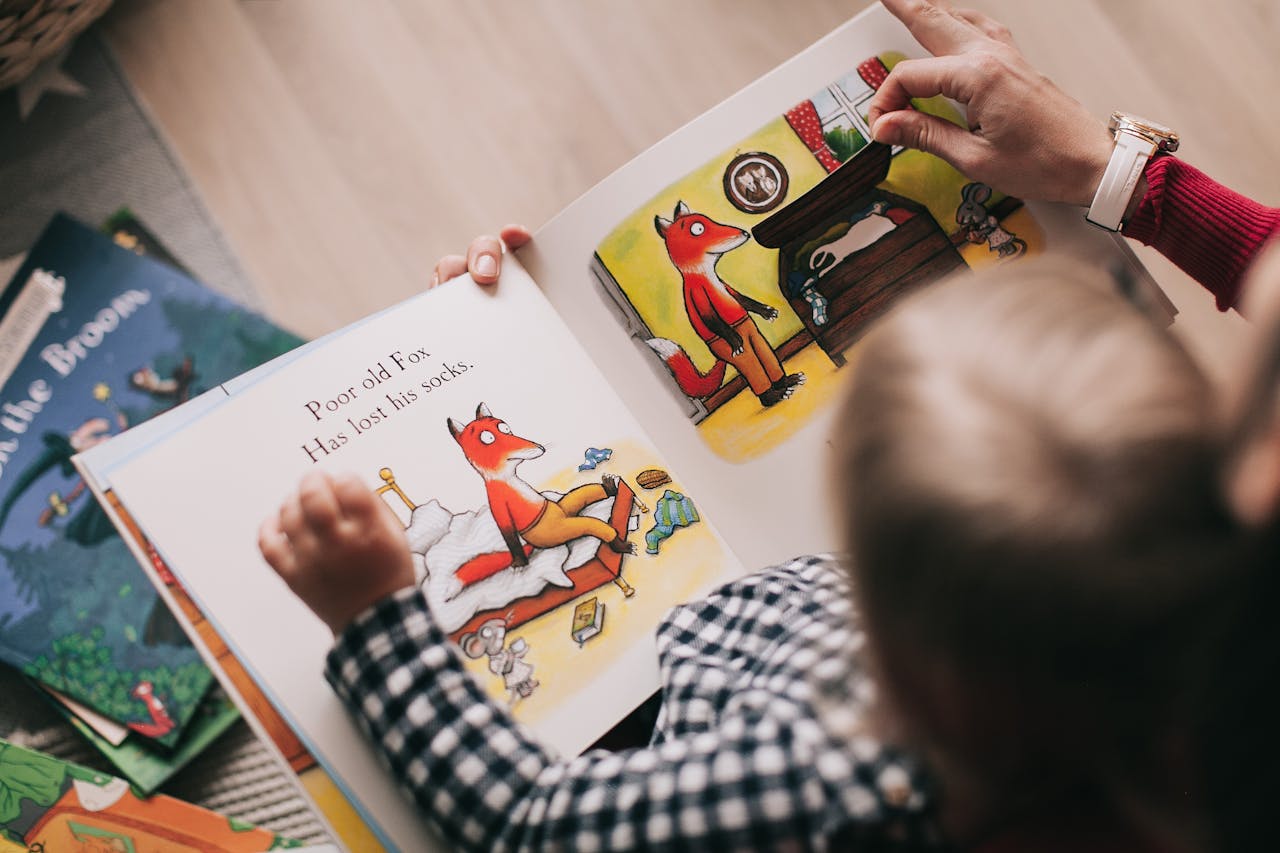
(Thanks to Lina Kivaka for the photo)
Published in the Teacher Education Advancement Network Journal in 2019, this article examines how the BTEC Level 3 Children’s Play, Learning and Development qualification prepares students for progression into higher education. At a time when vocational pathways were expanding, questions persisted about academic readiness and parity with more traditional routes.
Published in the Teacher Education Advancement Network Journal in 2019, this article examines how the BTEC Level 3 Children’s Play, Learning and Development qualification prepares students for progression into higher education. At a time when vocational pathways were expanding, questions persisted about academic readiness and parity with more traditional routes.
Vocational Routes to Higher Education
Drawing on practitioner insight and sector analysis, I took the opportunity to extend my Masters research and explore how students experience the transition from vocational study into university-level expectations. The article considers whether the course equips learners with the academic writing skills, critical thinking, research awareness and independent study habits required for success in higher education settings.
Central to the discussion is the perceived divide between vocational and academic knowledge. While the BTEC qualification is grounded in applied, practice-based learning, higher education often privileges theoretical engagement and formal academic conventions. The study highlights both strengths and tensions within this transition, examining how students negotiate identity shifts as they move from vocational learner to undergraduate student.
Rather than positioning vocational education as deficient, the article interrogates assumptions about preparedness. It asks whether the issue lies in the qualification itself, in institutional expectations, or in broader narratives that frame vocational routes as secondary to academic pathways.
This research contributes to debates surrounding widening participation, curriculum design and progression within Early Years education. It offers insight into how vocational qualifications can both support and challenge students as they enter higher education, and invites reflection on how universities might better recognise and build upon vocational strengths.